
- July 23, 2026
- Posted by: admin
- Category: Business plans
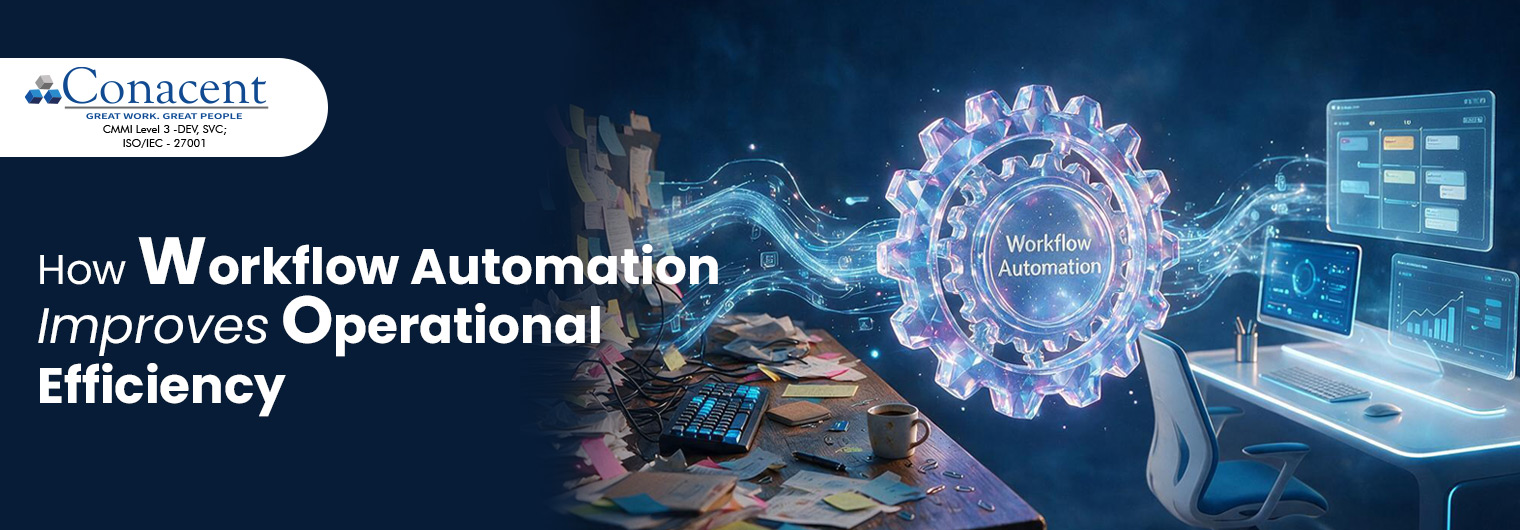
A purchase request is waiting for approval. An employee has submitted an expense claim, but it is sitting in someone’s inbox. Finance is waiting for supporting documents before processing an invoice, while HR is following up on onboarding tasks that are being managed through spreadsheets. Across departments, employees spend valuable time chasing updates instead of completing meaningful work.
For many organizations, these situations become part of daily operations. As businesses grow, manual workflows become increasingly difficult to manage. Approval delays, disconnected systems, duplicate data entry, and limited visibility begin affecting productivity, decision-making, and customer service.
What often starts as a small process inefficiency gradually impacts the entire organization. This is where Business process automation plays a critical role.
What Is Business Process Automation?
Business process automation is the practice of using digital workflows to automate repetitive business activities and connect processes across departments. Rather than relying on manual approvals, emails, spreadsheets, or disconnected applications, organizations can create standardized workflows that move information automatically between people and systems.
From procurement and finance to HR, sales, and operations, automation helps streamline routine activities while improving consistency and transparency.
When supported by enterprise systems integration and ERP system integration, workflow automation creates a connected business environment where information flows seamlessly across departments, reducing manual effort and improving collaboration.
Why Business Process Automation Matters
Operational efficiency is no longer achieved by simply working faster. It depends on how effectively people, processes, and technology work together.
Manual workflows often create challenges such as:
- Delayedapprovals
- Repetitiveadministrative work
- Datainconsistencies
- Limitedoperational visibility
- Disconnectedbusiness systems
- Compliancechallenges
- Communicationgaps between departments
As organizations expand, these inefficiencies become more difficult to manage. Teams spend more time following up on tasks than focusing on strategic initiatives.
Business process automation helps eliminate these bottlenecks by creating connected workflows that improve visibility, strengthen governance, and support faster business decisions.
If these challenges sound familiar, your organization may be ready to modernize its workflows.
How Workflow Automation Improves Operational Efficiency
1. Eliminates Manual and Repetitive Tasks
Many business processes involve repetitive activities such as entering data, sending approval requests, generating documents, or updating multiple systems.
Operational Process Automation reduces manual intervention by automating routine tasks, allowing employees to focus on higher-value work while improving accuracy and consistency.
2. Accelerates Approval Workflows
Approval delays are one of the most common causes of operational inefficiency.
With approval workflow automation, requests are automatically routed to the appropriate stakeholders based on predefined business rules. This shortens approval cycles, reduces follow-up efforts, and ensures organizational policies are followed consistently.
3. Improves Visibility Across Business Operations
When workflows are managed through disconnected tools, leaders often struggle to understand the status of ongoing activities.
Workflow automation provides real-time visibility into approvals, pending tasks, operational performance, and process bottlenecks. This enables managers to identify issues earlier and make informed business decisions.
4. Connects Disconnected Business Systems
Many organizations use separate applications for finance, procurement, HR, customer management, and inventory.
Without proper integration, employees manually transfer information between systems, increasing the risk of errors and duplicate work.
Through ERP system integration and e-systems integration, workflow automation enables information to move automatically between applications, creating a connected operational ecosystem.
5. Strengthens Compliance and Governance
Organizations need consistent processes to meet internal policies and regulatory requirements.
Automated workflows maintain approval hierarchies, create complete audit trails, and ensure every transaction follows established business rules. This improves governance while reducing compliance risks.
6. Supports Business Growth
Processes that work for a small organization often struggle as transaction volumes increase.
Enterprise Workflow Automation creates standardized workflows that can support multiple departments, locations, and growing operational requirements without significantly increasing administrative effort.
The Shift Towards Workflow Transformation
Organizations today are moving beyond automating individual tasks and focusing on end-to-end workflow transformation.
Modern businesses are connecting procurement, finance, HR, customer service, operations, and reporting through integrated workflows that provide enterprise-wide visibility and real-time insights.
Instead of isolated systems and manual coordination, organizations are investing in connected business environments where data flows seamlessly between departments.
This shift enables greater operational agility, better collaboration, improved reporting, and faster decision-making.
How Conacent Helps Organizations Transform Business Workflows
At Conacent, we believe operational challenges are rarely caused by a single application. They usually result from disconnected systems, fragmented workflows, manual processes, and limited visibility across the organization.
Our approach focuses on delivering workflow automation consulting that aligns technology with business operations. By combining business process automation, enterprise systems integration, workflow design, and ERP system integration, we help organizations create connected workflows that improve efficiency across procurement, finance, HR, and other core business functions.
Through workflow automation, enterprise integrations, real-time reporting, and intelligent process design, Conacent enables organizations to reduce manual effort, strengthen governance, improve operational visibility, and build scalable business operations.
Conclusion
Operational efficiency depends on how well business processes are connected and supported by technology.
Organizations that continue relying on manual workflows often face approval delays, fragmented information, and unnecessary administrative work. In contrast, businesses that adopt business process automation create connected workflows that improve collaboration, strengthen compliance, and support sustainable growth.
As organizations continue their digital transformation journey, workflow automation has become a strategic capability that helps improve performance and build a stronger foundation for future growth.
